It’s Not Behaviour – It’s Overwhelm

Domestic Violence: Recovery After the Crisis
June 4, 2026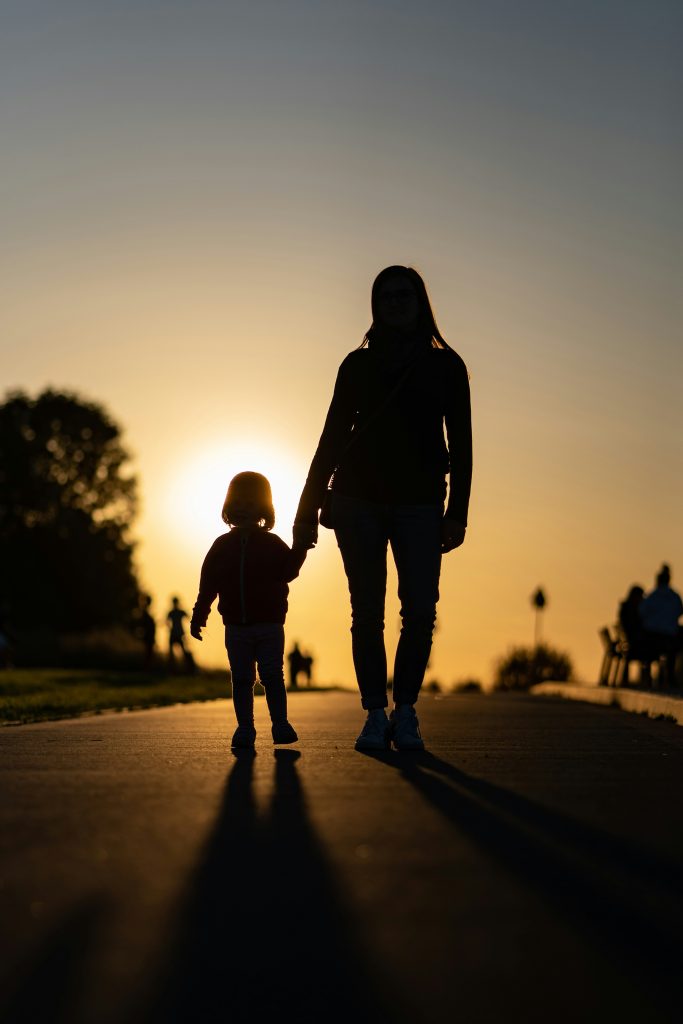
Families navigating neurodivergence need support that understands the nervous system, not just the symptoms
By Keeley Reade, C.E.O. Saltbush Balnarring Beach
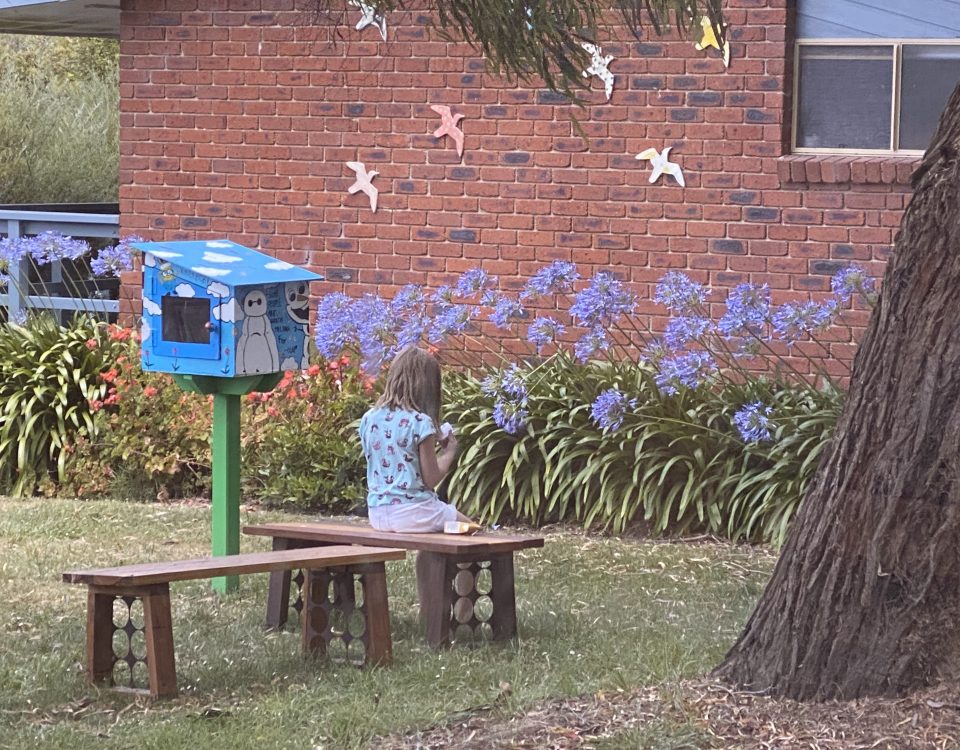
Families raising neurodivergent children often reach a point where overwhelm isn’t occasional—it’s constant. What looks like behaviour is, in reality, a nervous system under sustained strain. While many supports focus on managing responses, far fewer address the cumulative sensory and emotional load both children and parents are carrying. Without space to reset, even the best strategies can fall short.
In this post‑crisis stage, individuals often find themselves in an in‑between state: physically safe but physiologically still braced. Nature‑based trauma studies demonstrate that immersion in natural environments provides sensory predictability, emotional refuge, and an “embodied reset,” which is particularly meaningful after prolonged unpredictability or fear [2].
Saltbush supports this recovery stage by offering a calm, steady environment where the body can finally recognise that it is no longer in danger. Research on natural light exposure and coastal sensory palettes shows that these environments help regulate stress chemistry and support mood stabilisation [3]. Further, biophilic design principles, including natural materials, soft daylight, and vegetation, are linked to reduced stress and improved rehabilitation outcomes [4].
Once physiological safety begins to return, a deeper layer of healing becomes possible: reconnection with the self. People recovering from domestic violence often describe losing touch with personal preferences, intuition, or confidence because survival required them to minimise or mask parts of themselves. Studies into post‑traumatic growth indicate that nature‑supported environments encourage cognitive expansion and identity reconstruction by providing the quiet needed for internal clarity to emerge [5].
Connection is also reshaped during this time. After coercion or fear, even supportive relationships can feel overwhelming. Yet psychosocial wellbeing research shows that gentle, low‑demand human presence — simply being near others in a calm environment — can significantly reduce distress and support emotional regulation during trauma recovery [6]. At Saltbush, people often experience this through parallel activities, shared silence, or unhurried communal moments.
Recovery after domestic violence is slow, subtle, and deeply embodied. Saltbush does not replace crisis services — it fills the essential gap that comes next. It provides the steady environment needed for the nervous system to down‑shift, for identity to cautiously re‑emerge, and for the person to begin living again, not just surviving.
By Keeley Reade (C.E.O.)
12th May 2026
References — Neurodivergence Story
European Journal of Ecopsychology (2024):
“‘She kinda revives me’: exploring how moments with nature may enable growth experiences in the aftermath of trauma.”
– Hope Mayhew (corresponding author)* & Dr Hanna Kampman**
(*University of East London, School of psychology **University of East London, School of psychology)
Sage Journals (Ecopsychology) (2023):
“Trauma‑Informed Nature Therapy: A Case Study”
– Cheryl Fisher
Psychology Today (2025):
“The Healing Power of Nature”
Leslie E. Korn Ph.D., MPH, LMHC, ACS, FNTP
National Library of Medicine (National Centre for Biotechnology Information)
“Exploring biophilic building designs to promote wellbeing and stimulate inspiration”
– Yangang Xing, Nikki Stevenson, Carolyn Thomas, Alex Hardy, Andrew Knight, Nadja Heym, Alex Sumich