
Neurodivergent Child & Parent After Overwhelm by Keeley Reade (C.E.O.)
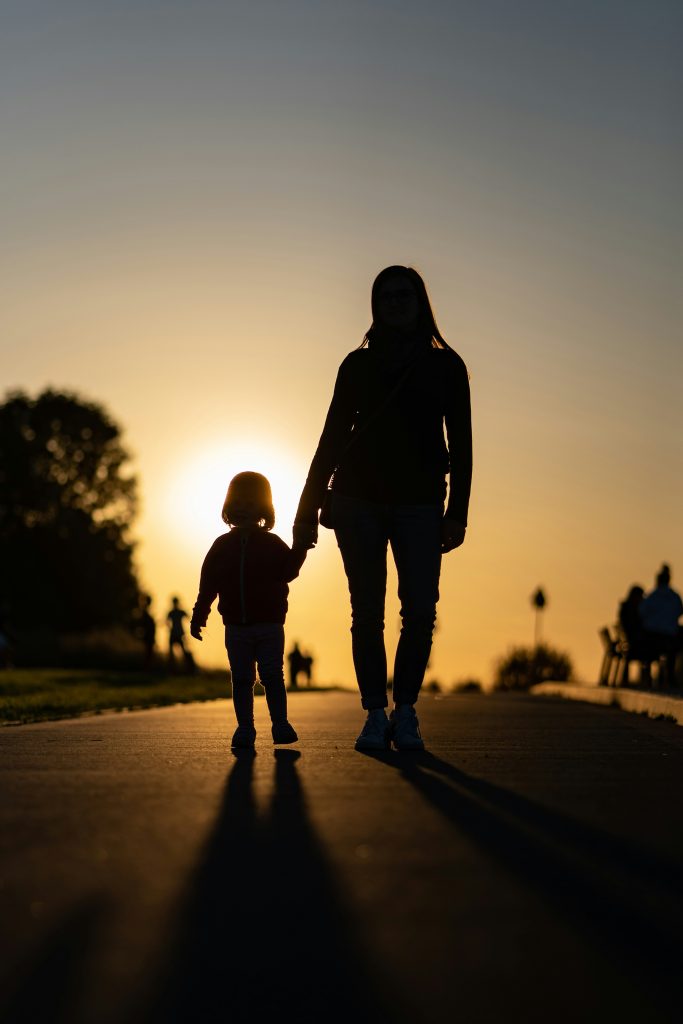
For many families raising neurodivergent children, there often comes a point where the child’s nervous system has absorbed more sensory and emotional input than it can reasonably process. This overwhelm is not a behavioural failure; it is a physiological response shaped by cumulative sensory load and emotional effort, something that nature‑based trauma research has described as a need for “sanctuary” and “embodied reset” for individuals navigating chronic overwhelm [1].
Parents supporting neurodivergent children frequently carry a parallel strain. The continual task of anticipating triggers, adjusting routines, and absorbing emotional intensity places their own nervous system under sustained pressure. Research into trauma‑informed nature engagement demonstrates that time in natural environments calms the limbic system, increases emotional regulation, and supports co‑regulation between adults and children [2].
When families enter a calm environment like Saltbush, this internal tension does not immediately disappear, but it begins to soften. Nature‑rich settings, particularly those with gentle soundscapes, soft colours, and predictable sensory patterns, help reduce cognitive and sensory load in ways shown to improve emotional functioning in both adults and children [3]. The nervous system gradually shifts from a state of high alert to one of rest, making space for emotional balance to return.
As the child settles, the parent often experiences their own internal release. Trauma‑recovery studies show that supportive environments with low sensory demand help restore not only regulation but clarity, patience, and the capacity to reconnect [4]. When both parent and child are no longer braced against the next moment of overwhelm, connection becomes easier, quieter, and more natural.
This gentle reconnection is further supported by evidence that low‑pressure social presence, even simple shared silence, reduces emotional distress and strengthens relational safety during recovery. At Saltbush, this often looks like families sitting quietly together, walking without tension, or sharing unhurried meals without the usual emotional labour.
Saltbush does not change neurodivergent children or instruct parents. It simply creates the environmental conditions that allow their nervous systems to rest, their identities to re‑emerge, and their connection to become possible again after long periods of strain.
By Keeley Reade (C.E.O.)
12th May 2026
References — Neurodivergence Story
European Journal of Ecopsychology (2024):
“‘She kinda revives me’: exploring how moments with nature may enable growth experiences in the aftermath of trauma.”
– Hope Mayhew (corresponding author)* & Dr Hanna Kampman**
(*University of East London, School of psychology **University of East London, School of psychology)
Sage Journals (Ecopsychology) (2023):
“Trauma‑Informed Nature Therapy: A Case Study”
– Cheryl Fisher
Psychology Today (2025):
“The Healing Power of Nature”
Leslie E. Korn Ph.D., MPH, LMHC, ACS, FNTP
National Library of Medicine (National Centre for Biotechnology Information)
“Exploring biophilic building designs to promote wellbeing and stimulate inspiration”
– Yangang Xing, Nikki Stevenson, Carolyn Thomas, Alex Hardy, Andrew Knight, Nadja Heym, Alex Sumich
